
Dean Cooper, founder of Street Therapy, has launched Broken Man apparel and From the Ashes sauces as purpose-led product brands designed to normalise difficult conversations around burnout, recovery, identity and resilience through everyday life.
Cornwall, United Kingdom, 15th May 2026 — Dean Cooper, a Cornwall-based technology executive, executive coach and founder of Street Therapy, has announced the launch of two new purpose-led product brands designed to turn difficult conversations around burnout, identity, pressure and recovery into something more visible, relatable and accessible through everyday life.
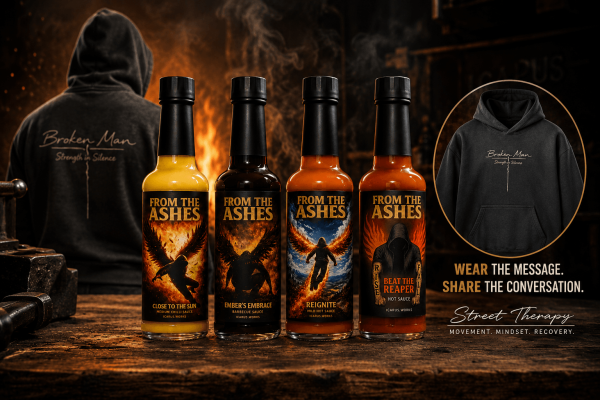
The brands — Broken Man, a wellbeing-focused apparel line, and From the Ashes, a clean-ingredient chilli and BBQ sauce range — form part of Cooper’s wider Street Therapy framework, a lived-experience recovery philosophy built around movement, mindset and rebuilding after burnout, addiction, pressure, trauma and personal collapse.
Unlike traditional wellness brands, Cooper says the goal is not simply to sell products, but to create everyday conversation points that help normalise subjects many people still struggle to discuss openly.
“We are not trying to create products for the sake of products,” says Cooper. “The purpose is bigger than that. We are trying to create things people use in normal life that quietly open the door to conversations around mental health, burnout, recovery, identity and resilience.”
Street Therapy was developed following Cooper’s own recovery journey after severe executive burnout, addiction and a serious stress-related health collapse. His recovery reportedly began with just 200 steps a day and gradually evolved into a broader framework focused on sustainable rebuilding through walking, strength, mindset and lived-experience recovery.
That journey has since expanded into a wider ecosystem of coaching, podcast storytelling, apparel, sensory products and advocacy designed to bring recovery conversations outside traditional clinical environments and into everyday spaces.
Broken Man: Apparel Designed to Speak When People Cannot
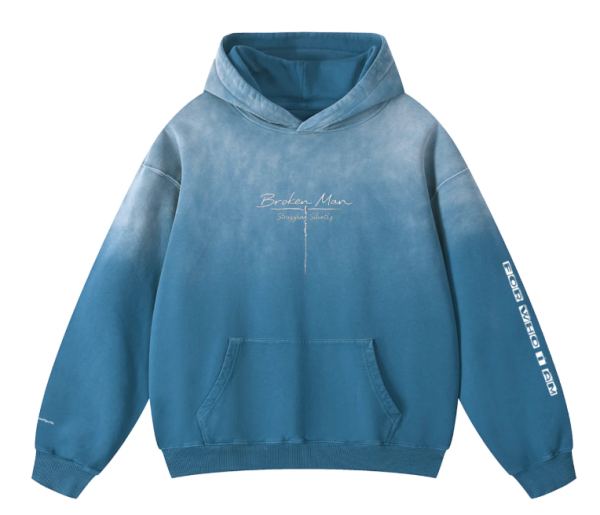
Broken Man is described as a purpose-led apparel brand focused on using visible messaging to help normalise difficult subjects around mental health, burnout, identity pressure and emotional struggle.
The clothing uses subtle but emotionally direct language designed to resonate with people carrying private battles in public spaces.
Cooper describes the concept as “wearable honesty” — fashion intended not only as self-expression, but as a quiet signal of solidarity and understanding.
“Sometimes people are not ready to explain what they are going through,” Cooper says. “But clothing can still say something on their behalf. It can create recognition. It can help people feel seen. It can make difficult subjects feel less isolating.”
Alongside Broken Man, Cooper is also developing a female companion line designed to carry the same themes of honesty, strength and recovery through a different visual and emotional tone.
From the Ashes: A Sensory Journey Through Recovery
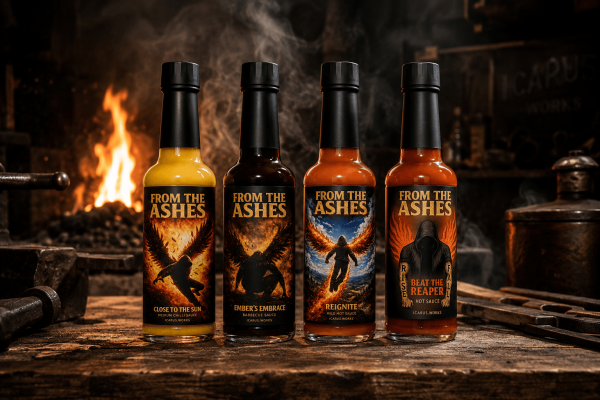
Alongside the apparel launch, Cooper is also introducing From the Ashes, a chilli and BBQ sauce range designed as what he describes as “a sensory journey through collapse, survival and rebuilding.”
The products use bold naming, flavour progression and visual storytelling to reflect different emotional stages of recovery and resilience.
While the sauces are made with clean ingredients and no unnecessary preservatives, Cooper says the deeper purpose is storytelling and emotional connection rather than simply producing another food product.
“Recovery is not always clean and polished,” says Cooper. “It burns. It lingers. It changes you. We wanted to create something where flavour itself could become part of a story about rebuilding.”
Cooper believes products used in ordinary settings — kitchens, BBQs, workplaces, homes, events and social gatherings — can sometimes create more natural openings for meaningful conversation than formal wellbeing environments alone.
“A lot of people will never walk directly into a therapy room and immediately open up,” he says. “But they may ask about a hoodie. They may talk over food. They may recognise themselves in a story or a message. That is often where the real conversation begins.”
Street Therapy: A Framework Built Around Real-World Recovery
At the centre of the ecosystem is Street Therapy itself — a lived-experience mental health and recovery framework focused on rebuilding through movement, mindset, self-awareness and sustainable progress.
Cooper says Street Therapy is not intended to replace therapy or clinical support. Instead, it is designed to complement them by addressing the realities of everyday life outside formal support settings.
The framework focuses on supporting conversations around burnout, pressure, addiction, identity collapse, grief, anxiety and transformation in practical, accessible ways grounded in lived experience.
“The world is changing faster than many people can psychologically process,” Cooper says. “AI, transformation, pressure, financial strain, identity anxiety and modern work culture are creating a constant state of stress for many people. We need to start normalising honest conversations around that reality instead of pretending everyone is coping perfectly.”
As part of the wider Street Therapy ecosystem, Cooper also hosts The After The Fall Show, a podcast exploring real stories of burnout, addiction, recovery, leadership pressure, transformation and rebuilding.
Building a Purpose-Led Ecosystem
Cooper says the long-term aim is to grow Street Therapy into a broader movement that combines storytelling, products, advocacy, coaching and partnerships to support conversations around resilience and mental wellbeing in a more practical and human way.
The business is currently seeking conversations with journalists, retailers, stockists, wellbeing leaders, podcast guests, mental health organisations and potential brand partners interested in purpose-led products and lived-experience recovery advocacy.
“This is not about pretending life is perfect,” says Cooper. “It is about creating things that help people feel less alone while encouraging honest conversations around what it means to struggle, rebuild and keep moving forward.”
About Dean Cooper
Dean Cooper is a Cornwall-based technology executive, executive coach, author and founder of Street Therapy. After experiencing severe burnout, addiction and a stress-related health collapse, he rebuilt his life through walking, sobriety, strength training, mindset work and lived-experience recovery.
He is the founder of the Street Therapy framework, the creator of the Broken Man apparel brand and the From the Ashes sensory range, and the host of The After The Fall Show podcast.
His work focuses on recovery, resilience, burnout, transformation, identity and sustainable rebuilding in modern life.
Media Contact
Dean Cooper
Icarus Works / Street Therapy
Launceston, Cornwall, United Kingdom
Email: Icarus@Icarus.Works
Website: https://www.icarus.works
Street Therapy: https://www.streettherapy.co.uk
TikTok: https://www.tiktok.com/@Icarus_Works_UK
Instagram: https://instagram.com/icarus_works
Media Contact
Organization: Icarus Works
Contact Person: Dean Cooper
Website: https://icarus.works
Email: Send Email
Contact Number: +447999929392
Address:Launceston
City: Cornwall
State: cornwall
Country:United Kingdom
Release id:44882
The post Cornwall Founder Launches Street Therapy Product Brands appeared first on King Newswire. This content is provided by a third-party source.. King Newswire makes no warranties or representations in connection with it. King Newswire is a press release distribution agency and does not endorse or verify the claims made in this release. If you have any complaints or copyright concerns related to this article, please contact the company listed in the ‘Media Contact’ section
Disclaimer: The views, suggestions, and opinions expressed here are the sole responsibility of the experts. No Indiana Sphere journalist was involved in the writing and production of this article.